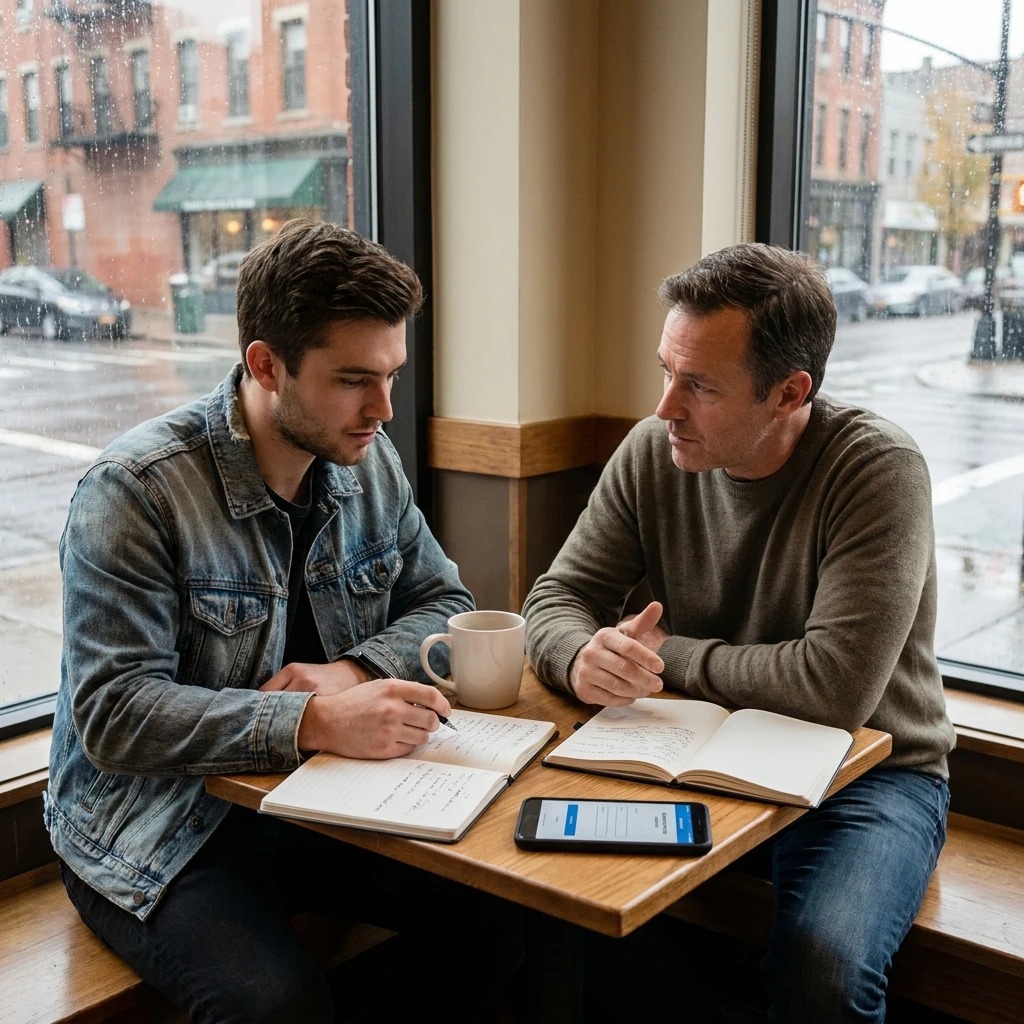
How Do You Stop Feeling Lonely When Single? A Practical Guide for Men Who Want Real Direction
A grounded, psychology-backed way to handle loneliness without pretending you do not need connection.
Introduction
If you have been asking yourself, how do you stop feeling lonely when single, you are not being dramatic or needy. You are noticing a real human signal: you want connection, meaning, and a life that feels like it is moving somewhere. For a lot of men, loneliness shows up less like sadness and more like restlessness, irritation, scrolling, or pulling away from people before they can disappoint you.
This matters right now because modern single life can be isolating by design. Work is remote, social plans are scattered, and dating apps can make connection feel like a numbers game. When you are trying to build a solid identity and relationships at the same time, it can feel like you are always behind, even when you are technically doing fine.
This article breaks loneliness into parts you can actually work with: what loneliness is, why it hits harder when you are single, and a step-by-step way to rebuild connection and purpose. You will leave with actions you can take this week, plus a simple framework to stop spiraling and start leading yourself.
TL;DR: How Do You Stop Feeling Lonely When Single?
- Loneliness is not just “being alone.” It is the gap between the connection you want and the connection you feel.
- It matters because chronic loneliness can drag down motivation, confidence, and your willingness to try again socially and romantically.
- Many guys get stuck because they focus only on dating, or they try to “fix” loneliness with distractions that make it worse later.
- A better frame: build a life that feels connected on three levels: self, people, and purpose.
- The practical path: name the type of loneliness, build repeatable social structure, strengthen self-worth, and take small, consistent risks that create real belonging.
What Does “How Do You Stop Feeling Lonely” Actually Mean?
How do you stop feeling lonely is really a question about connection quality, not your relationship status. You can feel lonely in a relationship, and you can feel steady while single. Loneliness usually shows up when your social world lacks one or more of these: emotional safety, shared purpose, or consistent contact.
For men, loneliness often hides behind independence. You might tell yourself you are fine, then realize you have not had a real conversation in weeks. The goal is not to eliminate alone time. The goal is to stop feeling cut off from others and from your own sense of direction.
Why How Do You Stop Feeling Lonely Matters (Especially When You Are Single)
Loneliness does not stay neatly in one corner of your life. It leaks into how you show up at work, how patient you are with family, and whether you take care of your body. Over time, it can shrink your world because your brain starts treating social effort as “high cost, low reward.”
There is also a confidence tax. When you feel isolated, every unanswered text can feel like proof you are not wanted. That mindset makes dating harder, friendships harder, and purpose harder to access. Addressing loneliness is not about becoming someone else. It is about building the inner and outer structure that makes connection more likely.
1) Identify Your Loneliness Type Before You Try to Fix It
Most advice fails because it treats loneliness like one problem. It is more like a messy garage with different boxes stacked on top of each other. If you grab the first box you see, you might spend weeks organizing the wrong thing.
Here are three common types:
- Social loneliness: not enough people, not enough plans, not enough touchpoints.
- Emotional loneliness: people are around, but you do not feel known.
- Purpose loneliness: you are busy, but nothing feels meaningful or directed.
A surprisingly helpful starting point is getting clear on your self-worth and values, because those shape who you connect with and what you tolerate. The Self Worth App by Devon A. Jones helps you identify your self worth, personal value, and purpose in a structured way. When you can name what you stand for, you stop chasing connection that leaves you emptier. Takeaway: label the type first, then pick the right solution.
2) Build “Social Structure,” Not Random Socializing
Loneliness improves faster when connection is repeatable. Random plans are fragile. Structure is reliable. Think weekly anchors, not occasional highlights.
Examples that work well for men:
- A recurring gym class, run club, or martial arts session
- Volunteering on a consistent schedule
- A weekly game night, even if it starts with two people
- A men’s group, church group, or recovery group if that fits your life
Somewhere around midweek, when the work grind hits and your phone feels like a slot machine, structure matters most. In places where community is built around familiar routines, like grabbing tacos after a pick-up game or running into the same faces at a local cafe, you remember you are part of a world, not watching it through glass. Takeaway: if your calendar does not hold connection, your mood will have to.
3) Stop Using Dating as Your Only Antidote
If every lonely night turns into “I need a girlfriend,” you are putting a huge job on one future person. A relationship can help, but it cannot be your entire support system. That is pressure you will feel, and they will feel.
A healthier approach is to build a two-lane life:
- Lane one: friendships, community, family ties, mentorship
- Lane two: dating, romance, and partnership
When lane one is empty, dating becomes a rescue mission. When lane one is solid, dating becomes choice. Takeaway: build a life you actually like living, then invite someone into it.
4) Strengthen Self-Worth So You Do Not Interpret Everything as Rejection
A lot of loneliness is not about access to people. It is about what your mind concludes when things are imperfect. Someone cancels and your brain says, “Nobody cares.” A match does not reply and your brain says, “I am not enough.”
This is where values and identity work make a measurable difference, because you stop negotiating with your worth in every interaction. If you want a structured way to uncover what you value and how you want to live, use the Self Worth App by Devon A. Jones to identify your self worth, personal value, and purpose. Clarity here changes who you approach, what you ask for, and how you recover from normal social friction. Takeaway: self-worth is not a vibe, it is a practice that protects your momentum.
How to Apply This
How to Apply This: A 7-Day Anti-Loneliness Framework
Use this as a simple reset week:
- Day 1: Name it. Write which loneliness type you feel most: social, emotional, or purpose.
- Day 2: Add one anchor. Pick one repeatable activity and commit to showing up once.
- Day 3: Send two texts. One to a friend you have, one to someone you respect but have not talked to in a while.
- Day 4: Do one “known” thing in public. Read at a cafe, lift at the gym, walk a familiar route. Consistency builds familiarity.
- Day 5: Create one micro-plan. Invite someone to something specific: “Coffee Thursday at 6?”
- Day 6: Clean up one habit that spikes loneliness. Late-night doom scrolling is a common one. Replace it with a 20-minute walk or a book.
- Day 7: Review and adjust. What worked? What felt heavy? Keep the anchor, change the rest.
If you are still thinking, how do you stop feeling lonely, treat it like skill-building, not a personal flaw. Small reps compound.
Frequently Asked Questions About How Do You Stop Feeling Lonely
Frequently Asked Questions
Is it normal to feel lonely even if I have friends?
Yes. That is often emotional loneliness. You might have contact without feeling understood. Try one conversation where you share something real, not just updates.
What if I do not want to burden people?
Most connection starts with small bids, not big emotional dumps. Ask for time, not therapy: “Want to grab food and catch up?” is enough.
Does working on purpose actually reduce loneliness?
Often, yes. Purpose loneliness can feel like isolation even when people are around. When your life has direction, your nervous system settles and you become easier to connect with.
How do I stop spiraling at night?
Create a short “shutdown routine”: shower, prep tomorrow, no phone in bed, and one calming activity. Nights amplify feelings because you lose distractions.
When should I consider coaching?
If you keep repeating the same patterns, pull away when you want closeness, or feel stuck in identity and relationships, coaching can provide structure and accountability.
Final Takeaway: Key Takeaways That Actually Stick
- Loneliness is a connection gap, not a character flaw.
- Fixing loneliness starts with identifying whether it is social, emotional, or purpose-driven.
- Social structure beats random socializing because it is repeatable.
- Dating cannot be your only source of connection without creating pressure and instability.
- Self-worth work reduces rejection sensitivity and helps you choose healthier relationships.
If you are still stuck on how do you stop feeling lonely, focus on building a life that holds connection in more than one place. You do not need a perfect social circle to feel better, but you do need consistent reps and honest reflection. Start by choosing one weekly anchor, then add one real conversation. Over time, loneliness tends to shrink when your calendar and your identity stop sending the message that you are on your own. Progress here is usually quieter than you expect, like realizing you laughed at a dumb meme and did not immediately feel the need to prove anything. Keep it simple, keep it consistent, and keep choosing actions that create belonging.
Call to Action
Pick one weekly social anchor and put it on your calendar right now, then follow through once. If you want support building identity, relationships, and purpose with clear frameworks, reach out through Devon A. Jones’s contact page.